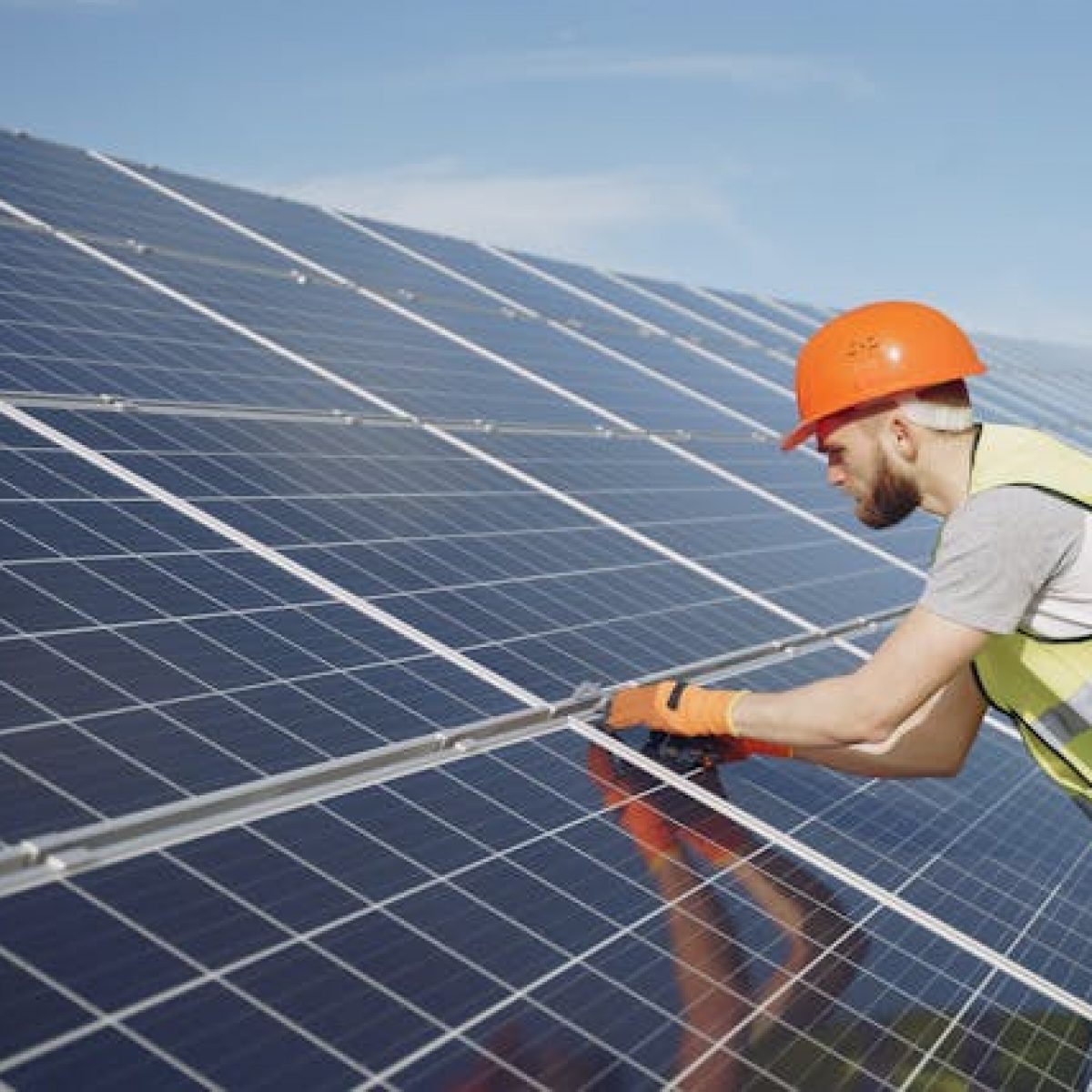
An on-grid solar system, also known as a grid-tied solar system, is a type of solar power generation setup that is directly connected to the utility power grid. These systems are the most common type of solar energy system used in residential and commercial settings.
On-grid solar systems, primarily defined by their direct connection to the utility power grid, can be categorized based on their scale, usage, and the specific technologies employed. Here are the main types of on-grid solar systems

These are typically installed at individual homes and are designed to meet the electricity needs of a household. They often range from about 3 kW to 10 kW in size, depending on the energy requirements and roof space of the home. Homeowners can benefit from net metering where it's available, allowing them to send excess electricity back to the grid and receive credits on their utility bills.
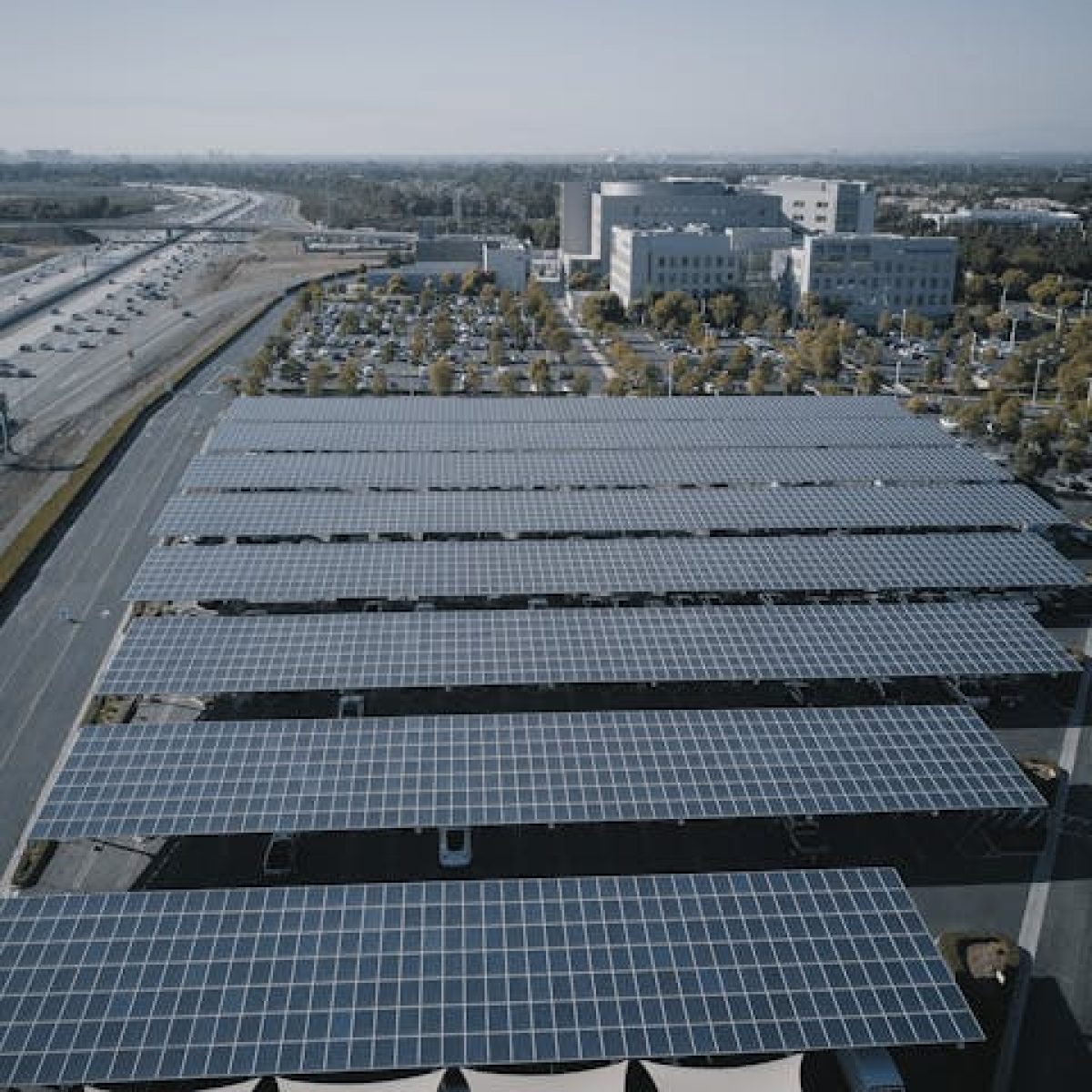
Installed on businesses, schools, and government buildings, commercial systems are generally larger than residential systems, often ranging from 10 kW to several MWs (megawatts). These systems help reduce the operating costs of businesses by significantly lowering the electricity bills. Commercial installations may also include solar carports and large-scale rooftop systems.

These are large-scale systems that generate significant amounts of electricity, typically more than 1 MW. They are designed to provide power directly to the utility grid and are managed by power generation companies or large energy consumers. These installations are often ground-mounted in large solar farms and play a crucial role in a region's energy supply.
Here’s a brief overview of how they work, their components, and their advantages and disadvantages:
These are the primary components that convert sunlight into electricity. Made from photovoltaic (PV) cells, the panels are typically mounted on rooftops or other structures that receive direct sunlight.
This device converts the DC electricity generated by the solar panels into AC electricity, which is compatible with the grid and can be used in homes and businesses.
Modern on-grid systems include metering equipment to measure the energy that is both consumed from the grid and fed back into the grid. Most grid-tied systems use net metering, which allows for billing based on the net energy used.
The biggest advantage is the significant reduction in monthly electricity bills. The amount of savings will depend on the size of the system and the electricity usage patterns.
Solar systems require minimal maintenance, usually just periodic cleaning of solar panels and routine checks.
Solar energy is clean, renewable, and sustainable, helping to reduce carbon footprint.
By providing additional electricity during peak times, solar systems can help stabilize the grid, especially in areas with high demand.
The solar panels generate DC electricity when exposed to sunlight.
The DC electricity is then converted to AC by the inverter.
The AC electricity is either used directly by the home or business or sent back to the electrical grid when excess energy is produced.
If the system produces more electricity than needed, the surplus is sent to the grid. The owner often receives credit for this excess electricity, effectively reducing their electricity bill.
Govt of India offer incentives such as tax breaks, rebates, or grants to offset the initial costs of installing a solar system.
Policies like net metering can significantly impact the financial returns of installing a solar system.
1. Installing an on-grid solar system typically involves a detailed site assessment, choosing appropriate equipment, and securing necessary permits. Professional installation is recommended to ensure the system meets local regulatory standards and operates efficiently.
2. On-grid solar systems represent a sustainable investment towards reducing energy costs and contributing to a cleaner environment. They are a crucial part of the global shift towards renewable energy.
Copyright © 2024 Evergreen Solar | All Rights Reserved.